
Cultural Practices in Crop Production · 3 min read
Land preparation
Listen to this lesson
A calm voice reads the lesson aloud
Tap any word for its meaning, or to have that part explained further.
Land preparation
Before planting maize, cassava or vegetables, a farmer gets the land ready. This helps seeds germinate and roots grow well.
Land preparation is the process of making land suitable for planting crops.
Simply put, it means clearing unwanted plants and working the soil so that crops can grow properly.
Why farmers prepare land
It removes weeds that compete with crops for water, nutrients and sunlight.
It loosens the soil so that roots can spread and air and water can enter more easily.
It makes planting easier and helps farmers provide suitable drainage.
Main operations
Land preparation commonly involves clearing, stumping, ploughing, harrowing and ridging. Not every farm needs all these operations.
Clearing means removing grasses, bushes and unwanted trees. A farmer may use a cutlass on a small maize farm or machines on a large farm.
Stumping means removing tree stumps and large roots from the soil. These can block farm tools and machines.
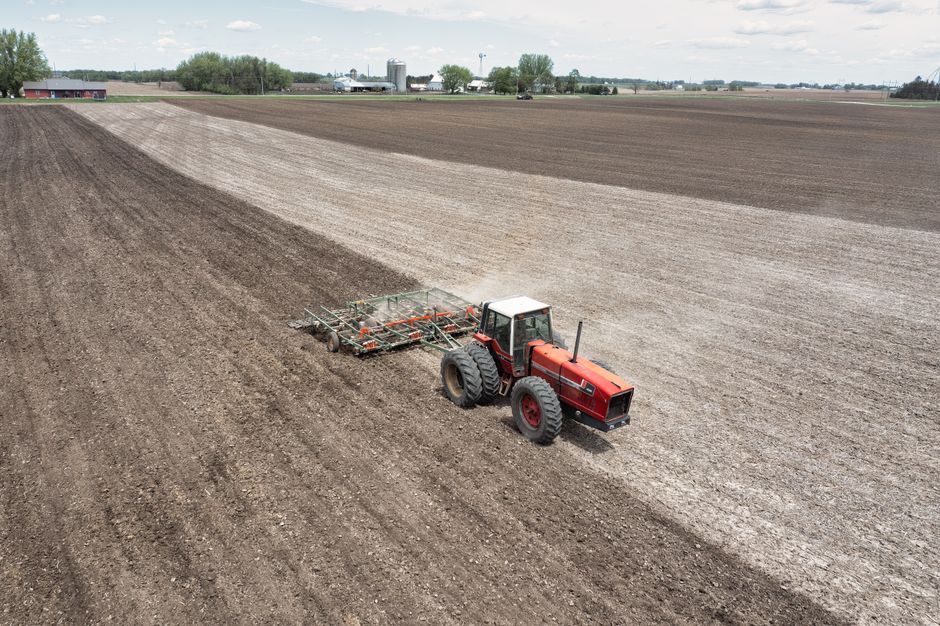
Ploughing means cutting, turning and loosening the soil. A tractor-drawn plough can do this on a large farm.
Harrowing means breaking large soil lumps into smaller pieces after ploughing. It also helps to make the soil surface more level.
Ridging means gathering soil into long, raised rows. Farmers may plant cassava on ridges, especially where good drainage is needed.
Beds and mounds
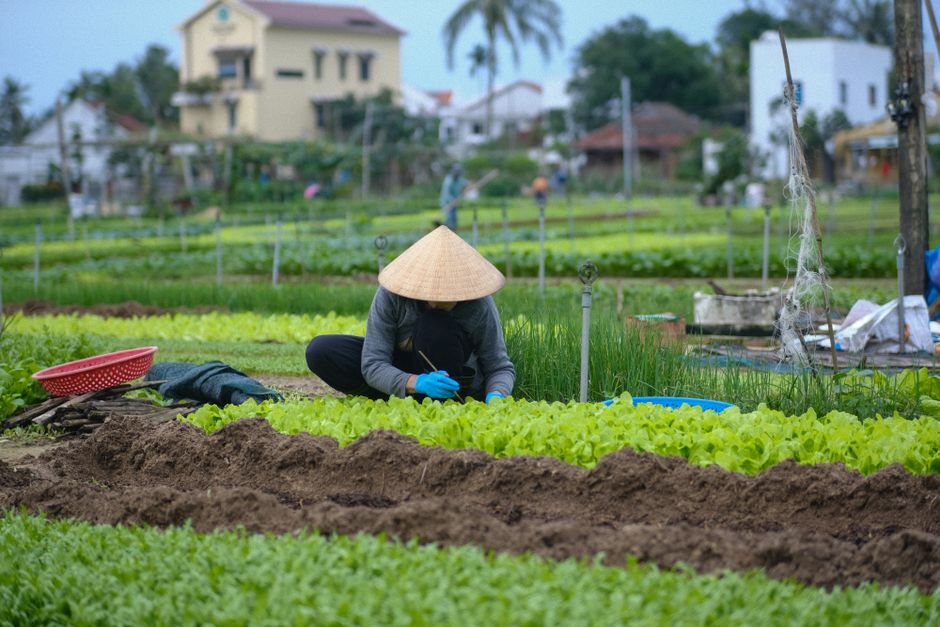
Raised beds are raised areas of soil used for crops such as amaranth, called efo in parts of Nigeria. Mounds are heaps of soil commonly used for yam.
Good farming precautions
Prepare land before planting, when the soil is moist but not waterlogged. Very wet soil can become compacted when heavy machines pass over it.
Avoid careless bush burning because it destroys useful organisms and organic matter. On sloping land, make ridges across the slope to help reduce soil erosion.
Key points
- •Land preparation makes land suitable for planting crops.
- •Common operations include clearing, stumping, ploughing, harrowing and ridging.
- •Ploughing turns and loosens soil, while harrowing breaks large soil lumps.
- •The crop, soil condition and slope help determine the preparation needed.
- •Good land preparation should protect the soil from erosion and compaction.