
Pests of Crops · 3 min read
Meaning and classes of pests
Listen to this lesson
A calm voice reads the lesson aloud
Tap any word for its meaning, or to have that part explained further.
Pests of Crops
On a maize farm in Kaduna, grasshoppers may eat leaves while birds pick grains from the cobs. These animals are crop pests because they damage the crop.
Meaning of crop pests
A crop pest is an animal that attacks crops. It may eat or damage roots, stems, leaves, fruits or seeds. Pests can attack crops on the farm or after harvest.
A crop pest is any animal that causes damage to crops or stored crop products.
Simply put, crop pests spoil crops or reduce the amount farmers harvest and sell. For example, weevils damage stored maize, while rats eat stored rice.
Main classes of crop pests
For this lesson, we shall group crop pests into insect pests and non-insect pests. Do not confuse pests with diseases: a grasshopper is a pest, while cassava mosaic is a disease.
Insect pests
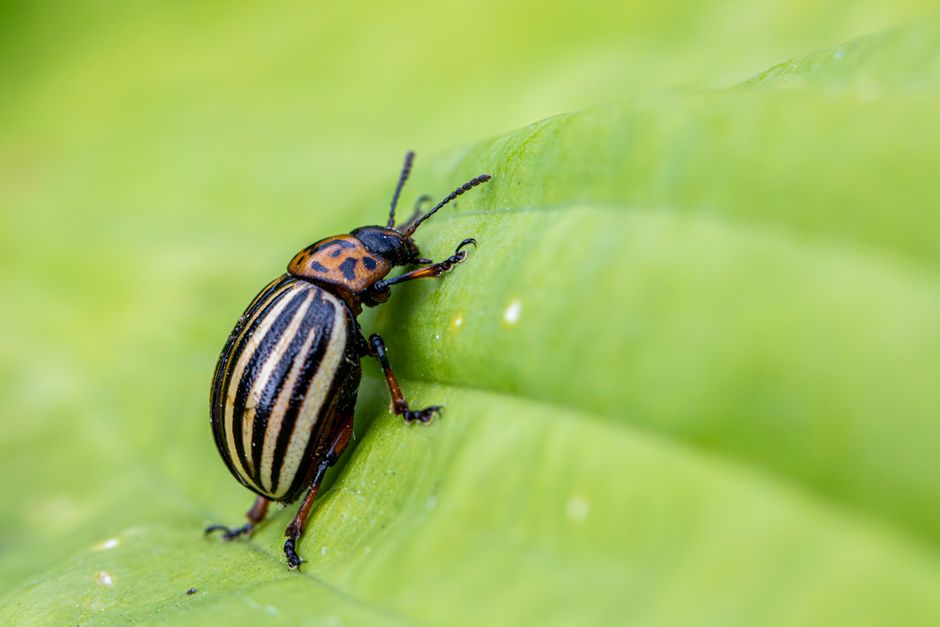
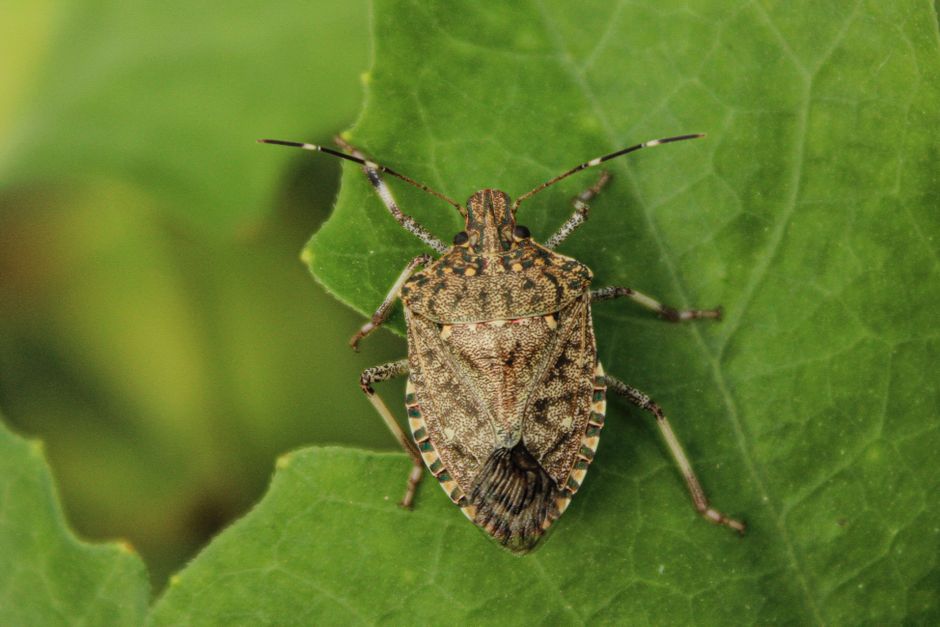
Insect pests are harmful insects that attack crops or stored produce. Adult insects have three main body parts and three pairs of legs. Their young stages may also damage crops.
Grasshoppers eat maize leaves. • Aphids suck sap from crops such as cowpea. • Stem borers tunnel into maize stems. • Weevils damage stored grains such as maize.
Grouping insects by feeding habit
Biting and chewing insects bite off and chew plant parts. Examples are grasshoppers and many caterpillars. • Piercing and sucking insects pierce plant tissues and suck sap. Examples are aphids and cotton stainers. • Boring insects make holes or tunnels inside plant parts or grains. Examples are maize stem borers and grain weevils.
These feeding groups describe how insects attack crops. Borers also have chewing mouthparts, but they do much of their damage inside stems, fruits or seeds.
Non-insect pests
Non-insect pests are animals other than insects that damage crops. Some have backbones, such as birds and rats. Others have no backbones, such as snails and nematodes.
Rodents, such as rats, eat seeds, tubers and stored grains. • Birds, such as quelea birds, eat rice and millet grains on farms in northern Nigeria. • Monkeys eat crops such as maize and fruits. • Snails and slugs eat tender leaves and seedlings. • Plant-parasitic nematodes are tiny worms that damage plant parts, especially roots.
Remember for your examination Classify a pest correctly and link it to its damage. A grasshopper is an insect pest that chews leaves. A rat is a non-insect pest that gnaws and eats crop materials.
Key points
- •Crop pests are animals that damage crops or stored crop products.
- •The two main groups used in this lesson are insect pests and non-insect pests.
- •Insect pests may be grouped by feeding habit into biting and chewing, piercing and sucking, and boring insects.
- •Non-insect pests include rodents, birds, monkeys, snails, slugs and plant-parasitic nematodes.
- •Pests attack crops both on the farm and in storage.