
Forestry · 3 min read
Meaning and importance of forestry
Listen to this lesson
A calm voice reads the lesson aloud
Tap any word for its meaning, or to have that part explained further.
Meaning of forestry
Think of people planting trees, caring for a forest and controlling how trees are cut down. These activities are part of forestry.
Forestry is the science and art of planting, tending and managing forests and their resources.
Simply put, forestry means growing and caring for forests so that people can use their products without destroying them.
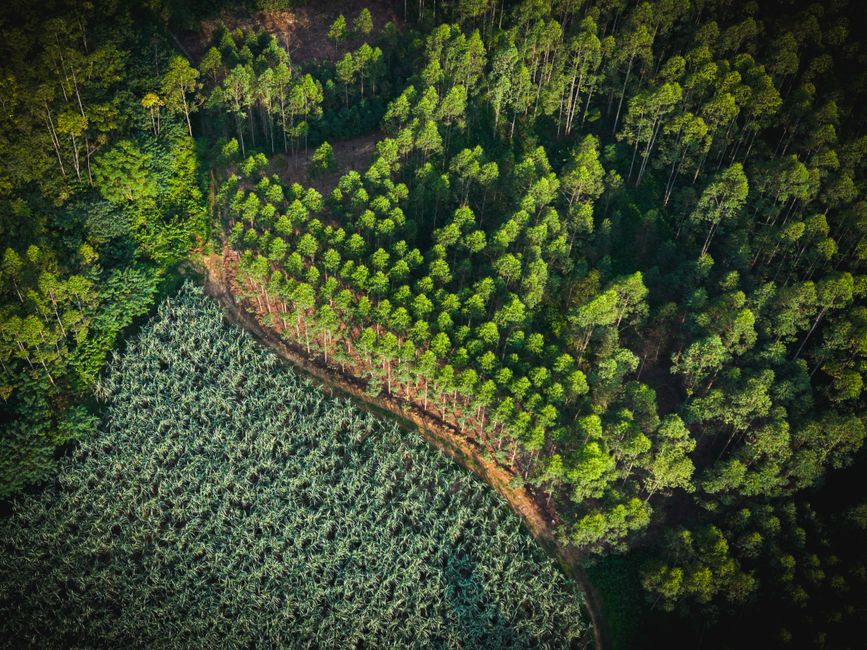
A forest is a large area of land mainly covered with trees and other plants. Forestry is the work of managing such an area.
Forestry in Nigeria
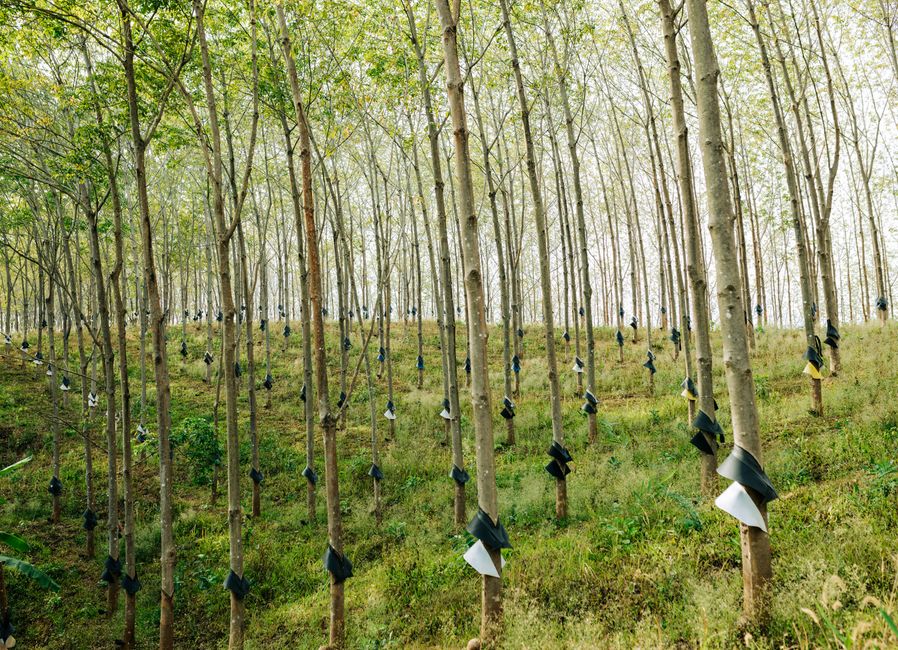
Forestry is practised in places such as Omo Forest Reserve in Ogun State. Teak and gmelina are examples of trees grown in forest plantations in Nigeria.
Importance of forestry
Timber production — Forests supply wood for roofing, furniture, doors and other building work.
Fuel supply — Forest trees provide firewood and wood for making charcoal, which some households use for cooking.
Raw materials — Forests supply wood for paper and plywood industries. They also provide materials such as gums and resins.
Food and medicine — Forests provide fruits, nuts, mushrooms and honey. Some forest plants are used to make medicines.
Jobs and income — Forestry provides work for nursery workers, forest guards, sawmill workers and timber traders. Selling forest products also brings income.
Soil protection — Tree roots hold soil together, while fallen leaves cover the soil. This helps to reduce soil erosion.
Water protection — Forests slow down rainwater flowing over the land and help water enter the soil. This can reduce flooding and protect streams.
Climate protection — Trees absorb carbon dioxide as they make food and store carbon as they grow. They also provide shade and help keep their surroundings cool.
Wildlife and recreation — Forests provide homes for wild animals and plants. They also provide places for tourism, learning and relaxation.
Farm protection — Rows of trees planted as windbreaks reduce strong winds. In northern Nigeria, they can help protect crops such as millet and maize from wind damage.
Key points
- •Forestry involves planting, tending and managing forests and their resources.
- •Forests supply timber, fuel, food, medicines and industrial raw materials.
- •Forestry provides jobs and income.
- •Forests protect soil, water, wildlife and the climate.
- •Trees used as windbreaks help protect farm crops.