
Farm Animals: Classification and Anatomy · 3 min read
Classification of farm animals
Listen to this lesson
A calm voice reads the lesson aloud
Tap any word for its meaning, or to have that part explained further.
Classification of farm animals
Farmers keep animals such as goats, cattle, pigs and chickens for food, income and other benefits.
Farm animals are animals reared on the farm for food and other useful purposes.
Simply put, they are useful animals that farmers care for. Classification means arranging them into groups based on features they share.
Classification by digestive system
Ruminants chew the cud and have a stomach with four compartments. Cud is partly digested food brought back to the mouth for chewing again. Examples are cattle, sheep and goats.
Non-ruminants do not chew the cud. Examples are pigs, rabbits, horses and chickens. Rabbits and horses digest much of their fibrous food in the large intestine.
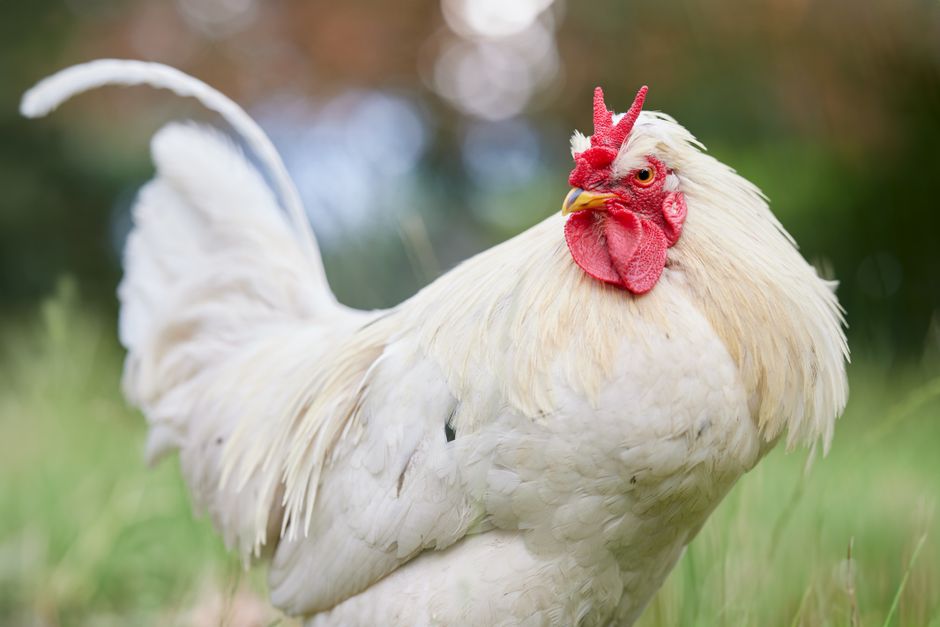
In poultry, such as chickens and turkeys, the crop stores food, while the gizzard grinds it. Chickens are non-ruminants even though their digestive system differs from that of pigs.
Classification by use
Meat production: cattle, goats, pigs, rabbits and broiler chickens • Milk production: dairy cattle and goats • Egg production: layer chickens
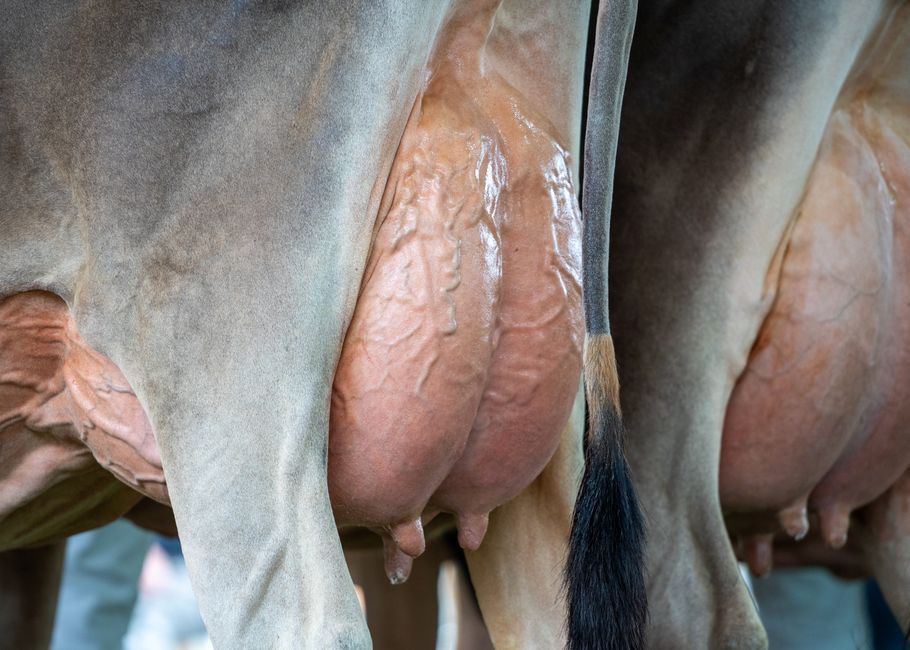
Farm work and transport: oxen, donkeys and horses • Fibre production: sheep provide wool • Hides and skins: cattle, goats and sheep provide materials for leather
An animal may have more than one use. For example, cattle may provide milk, meat, hides and manure. Farmers can apply animal manure to maize and vegetable farms.
Classification by habitat
Terrestrial animals live mainly on land. Examples are cattle, goats, pigs and chickens. • Aquatic animals live in water. Examples are catfish and tilapia raised in Nigerian fish ponds.
Do not classify ducks as fish because they swim. Ducks are birds that use both land and water.
Classification by reproduction
Viviparous animals give birth to live young. Examples are cattle, sheep, goats, pigs and rabbits.
Oviparous animals lay eggs. Examples are chickens, turkeys, ducks, catfish and tilapia.
Exam reminder
Always check the basis of classification. A goat is a ruminant by digestion, terrestrial by habitat and viviparous by reproduction. One animal can belong to several groups.
Key points
- •Farm animals can be classified by digestive system, use, habitat and reproduction.
- •Ruminants chew the cud and have a stomach with four compartments.
- •Non-ruminants include pigs, rabbits, horses and chickens.
- •Farm animals provide meat, milk, eggs, work, fibre, hides, skins and manure.
- •Viviparous animals give birth to live young, while oviparous animals lay eggs.