
Animal Nutrition · 3 min read
Classes of feed nutrients
Listen to this lesson
A calm voice reads the lesson aloud
Tap any word for its meaning, or to have that part explained further.
Classes of feed nutrients
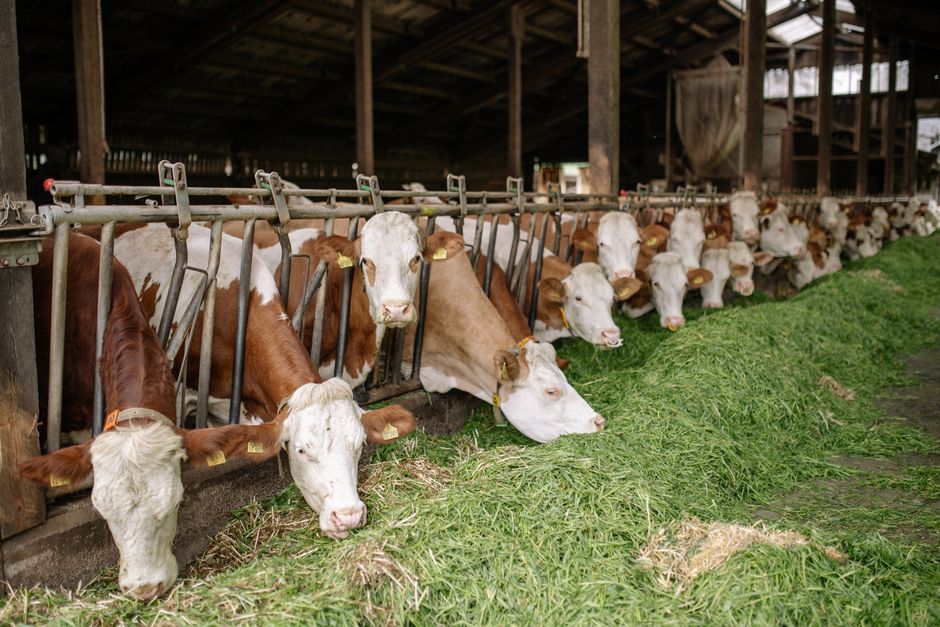
On Nigerian farms, animals eat feeds such as maize, grass and groundnut cake. These feeds contain useful substances that help animals live, grow and produce eggs, milk or meat.
Nutrients are chemical substances in food that nourish the body.
Simply put, nutrients are the useful parts of feed. They supply energy, build the body and keep animals healthy.
The six classes
Carbohydrates • Proteins • Fats and oils • Vitamins • Minerals • Water
Carbohydrates
Carbohydrates mainly supply energy for movement, body warmth and other activities. • Sources include maize, guinea corn and properly processed cassava. • Grass contains cellulose, which cattle, sheep and goats can use with help from microbes in their stomachs.
Proteins
Proteins are needed for growth and repair of worn-out body tissues. They also support milk, egg and meat production. • Sources include groundnut cake, soybean meal and fish meal. • Too little protein can cause slow growth in chicks and other young animals.

Fats and oils
Fats and oils supply energy and help the body absorb vitamins A, D, E and K. • They supply about twice as much energy as the same weight of carbohydrates. • Sources include palm oil, soybean oil and groundnut oil.
Vitamins
Vitamins are needed in small amounts for normal growth and good health. • Vitamin A helps normal vision. Vitamin D helps the body use calcium and phosphorus for strong bones. • Green leaves supply materials animals can use to make vitamin A. Vitamin premixes are also added to livestock feeds.
Minerals
Minerals help build body parts and control body activities. • Calcium and phosphorus help form strong bones and teeth. Calcium also helps hens form strong eggshells. • Iron is needed to make haemoglobin, which carries oxygen in the blood. • Sources include bone meal, oyster shell and common salt. These sources supply different minerals.
Water
Water helps digestion, carries nutrients around the body and helps control body temperature. • Animals get water from drinking water and moist feeds, such as fresh grass. • Provide clean drinking water every day, especially during hot weather in places like Kano and Sokoto.
Remember for your exam
A feed ingredient is not the same as a nutrient: maize is a feed ingredient, while carbohydrate is a nutrient. • One feed ingredient may supply several nutrients, but not in the amounts an animal needs. • Farmers mix suitable feed ingredients to supply nutrients in the right amounts.
Key points
- •The six classes of feed nutrients are carbohydrates, proteins, fats and oils, vitamins, minerals and water.
- •Carbohydrates mainly supply energy, while proteins support growth and tissue repair.
- •Fats and oils supply about twice as much energy as an equal weight of carbohydrates.
- •Vitamins and minerals support normal body functions and good health.
- •Animals need clean drinking water every day.