
Agricultural Ecology · 3 min read
Meaning of agricultural ecology
Listen to this lesson
A calm voice reads the lesson aloud

Tap any word for its meaning, or to have that part explained further.
Meaning of Agricultural Ecology
Think of a maize farm in Kaduna. The maize plants need sunlight, water, air and nutrients from the soil. They also share the farm with weeds, insects and other living things.
Agricultural ecology helps us understand how these living things affect one another and how their surroundings affect them.
Agricultural ecology is the study of the relationships between agricultural organisms and their environment.
Simply put, it is the study of how crops, farm animals and other living things interact with one another and with everything around them on the farm.
The Farm Environment
The environment means the surroundings in which an organism lives. An organism is any living thing, such as a maize plant, goat or earthworm.
A farm environment has two main parts: biotic components and abiotic components.
Biotic components are the living parts, such as cassava plants, goats, weeds, insects and soil microorganisms.
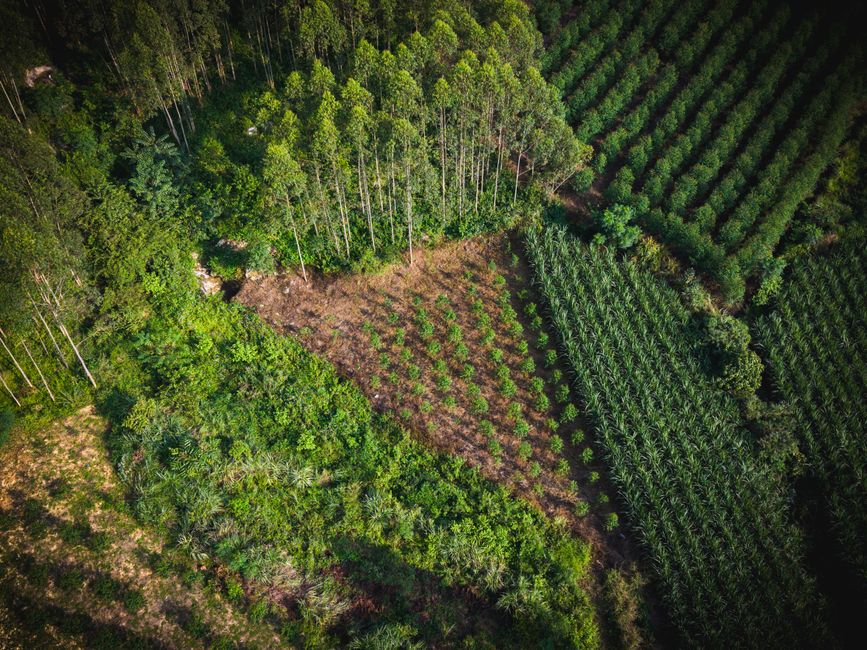
Abiotic components are the non-living parts and conditions, such as water, air, sunlight, temperature and soil minerals.
Relationships on the Farm
On a maize farm in Oyo State, weeds compete with maize for water, nutrients, sunlight and space. This can reduce maize yield.
On a cucumber farm in Ogun State, bees transfer pollen between flowers. This helps the plants produce fruits.
On a poultry farm in Kano, high temperature can cause heat stress in chickens. This shows how a non-living condition affects farm animals.
Why Farmers Study It
Agricultural ecology helps farmers choose suitable crops and animals for a place. It also helps them manage weeds, pests, soil and water properly.
Remember for Your Exam
Agricultural ecology is not only about crops or animals. Its main concern is the relationships between agricultural organisms and their environment.
Key points
- •Agricultural ecology studies the relationships between agricultural organisms and their environment.
- •Biotic components are living parts of the farm environment.
- •Abiotic components are non-living parts and conditions of the farm environment.
- •Farm relationships include competition between weeds and crops, and pollination by bees.
- •Knowledge of agricultural ecology helps farmers manage farms properly.