
Animal Health · 3 min read
Signs of good and ill health
Listen to this lesson
A calm voice reads the lesson aloud
Tap any word for its meaning, or to have that part explained further.
Signs of good and ill health
On a poultry farm in Ibadan or a goat farm in Kano, a farmer should check the animals every day. Their feeding, movement, breathing and droppings can show whether they are healthy or sick.
What animal health means
Animal health means how well an animal’s body and mind are working. A healthy animal feeds well, behaves normally and grows or produces as expected.
Signs of good health
Good appetite — The animal eats its normal feed and drinks enough clean water. For example, a healthy goat eats grass willingly.
Alertness — The animal notices sounds and movement around it. It responds normally and does not remain dull or separate itself from the group.
Normal movement — The animal walks steadily without limping. It stands and moves without pain.
Healthy appearance — The eyes are bright and clear. There is no unusual discharge from the eyes or nose. The coat looks healthy, and birds have neat feathers.
Normal body functions — Breathing is regular and not difficult. Droppings and urine are normal for that type of animal. Body temperature stays within the normal range for the species.
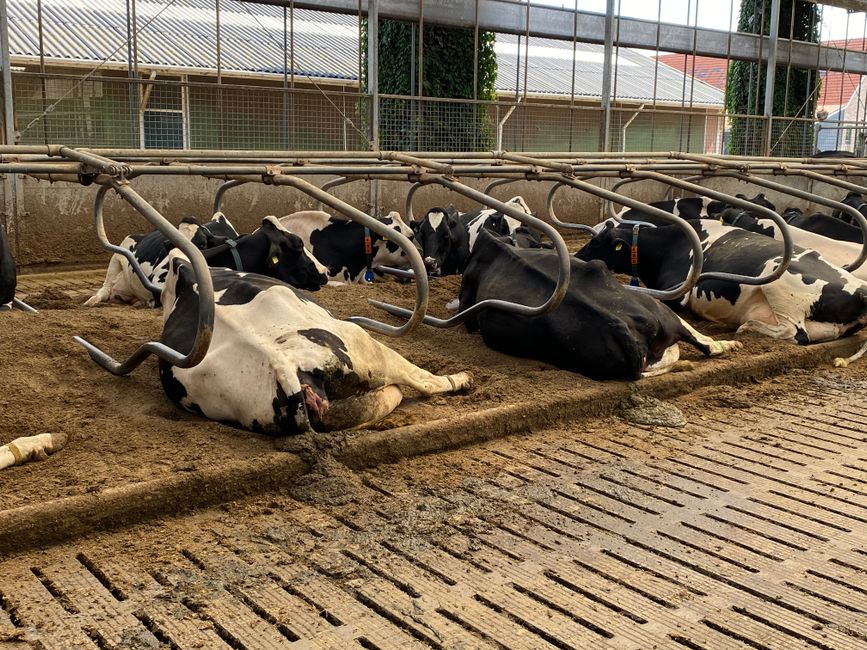
Normal production — Young animals grow steadily. Laying hens produce eggs and dairy cows give milk at levels expected for their age, feeding and stage of production.
Signs of ill health
Poor appetite and dullness — The animal eats less or refuses feed. It may become weak, stay alone or lie down more than usual.
Abnormal appearance — Signs include a rough coat, ruffled feathers, swellings, wounds, weight loss or unusual discharge from the eyes and nose.
Abnormal body functions — Signs include coughing, difficult breathing, diarrhoea, blood in droppings or urine, and a temperature above or below the normal range.
Poor movement and production — The animal may limp, tremble or find it difficult to stand. Growth may slow down, while milk or egg production may fall.
What the farmer should do
Separate the sick animal from healthy ones and contact a veterinary officer. Give it clean water and a clean, comfortable place. Wash your hands after handling it, and do not give drugs without proper advice.
Remember for your examination
One sign alone may not prove that an animal has a disease. Heat, poor feeding and stress can also change its behaviour or production. Compare several signs and let a veterinary officer identify the cause.
Key points
- •Healthy animals usually have a good appetite, clear eyes, normal movement and alert behaviour.
- •Loss of appetite, dullness, coughing, diarrhoea and limping are signs of ill health.
- •Poor growth or a sudden fall in milk or egg production may indicate a health problem.
- •Separate sick animals and seek help from a veterinary officer.
- •Normal body temperature and droppings differ among animal species.