
Fisheries and Aquaculture · 3 min read
Meaning and importance of fisheries
Listen to this lesson
A calm voice reads the lesson aloud

Tap any word for its meaning, or to have that part explained further.
Meaning of fisheries
Fish may be caught from natural waters or raised on farms. Fisheries covers these activities and the work of processing, preserving and selling fish.
Fisheries is the branch of agriculture concerned with the production, management, processing and marketing of fish and other aquatic organisms.
Simply put, fisheries involves getting useful animals from water, caring for them and preparing them for sale or use. Aquatic organisms are living things found in water, such as fish, prawns and crabs.
Main types of fisheries
Capture fisheries involves catching fish and other useful aquatic organisms from natural waters. Examples include fishing in River Niger, Lake Chad and the Atlantic Ocean.
Culture fisheries involves breeding and rearing fish under controlled conditions, such as in ponds and tanks. Raising catfish in a pond in Ibadan is an example.
Link with aquaculture
Fish farming is part of a wider activity called aquaculture. Aquaculture also includes farming other water animals and plants.
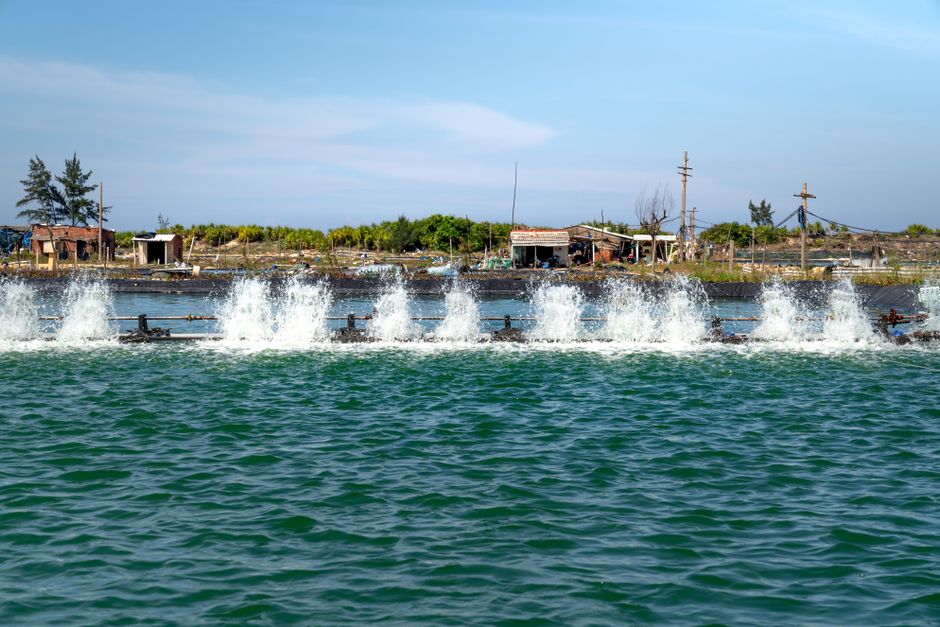
Aquaculture is the farming of aquatic organisms, including fish, molluscs, crustaceans and aquatic plants.
This means raising living things that normally live in water. For example, a farmer may rear catfish or tilapia in ponds instead of catching them from a river.
Importance of fisheries
Food supply: Fisheries provides fish for food. Nigerians eat fresh, frozen, smoked and dried fish in meals such as egusi soup and fish stew.
Protein supply: Fish supplies animal protein needed for growth and repair of body tissues. It also supplies useful vitamins and minerals.
Employment: Fisheries provides jobs for fish farmers, fishermen, fish processors, traders, boat builders and net makers.
Income: Farmers and traders earn money by selling fish, fingerlings and processed fish. Fingerlings are young fish used to stock ponds.
Industrial raw materials: Fish is used to produce fish meal and fish oil. Fish meal is an ingredient in some livestock feeds.
Foreign exchange: Exporting fish and products such as frozen shrimps earns money from other countries. This money is called foreign exchange.
Recreation and research: Fishing can be a leisure activity. Fisheries also supports teaching and research on fish breeding, feeding and health.
Key points
- •Fisheries covers the production, management, processing and marketing of fish and other aquatic organisms.
- •Capture fisheries depends on natural waters, while culture fisheries involves rearing fish under controlled conditions.
- •Fish farming is part of aquaculture.
- •Fisheries provides food, protein, employment, income, industrial raw materials and foreign exchange.