
Soil Formation and Composition · 3 min read
How soil is formed
Listen to this lesson
A calm voice reads the lesson aloud
Tap any word for its meaning, or to have that part explained further.
How soil is formed
Soil forms slowly when rocks break into small pieces and mix with decayed plant and animal materials. The soil on a maize farm may have taken hundreds or thousands of years to form.
Soil is the loose material covering the earth’s surface in which plants grow.
Simply put, soil is the loose covering of the land where crop roots grow. It contains mineral particles, organic matter, water, air and living organisms.
Weathering starts soil formation
Heat, water and living things gradually break down rocks. This process is called weathering.
Weathering is the breaking down of rocks into smaller particles by physical, chemical and biological processes.
This means that large rocks slowly become smaller pieces. Weathering happens where the rock is found. It is different from erosion, which carries soil or rock particles away.
Types of weathering
Physical weathering breaks rocks without changing their chemical composition. For example, repeated heating and cooling can make rocks crack. • Chemical weathering changes the minerals in rocks. For example, slightly acidic rainwater can dissolve limestone. • Biological weathering is caused by living organisms. For example, roots growing inside rock cracks can force the cracks wider.
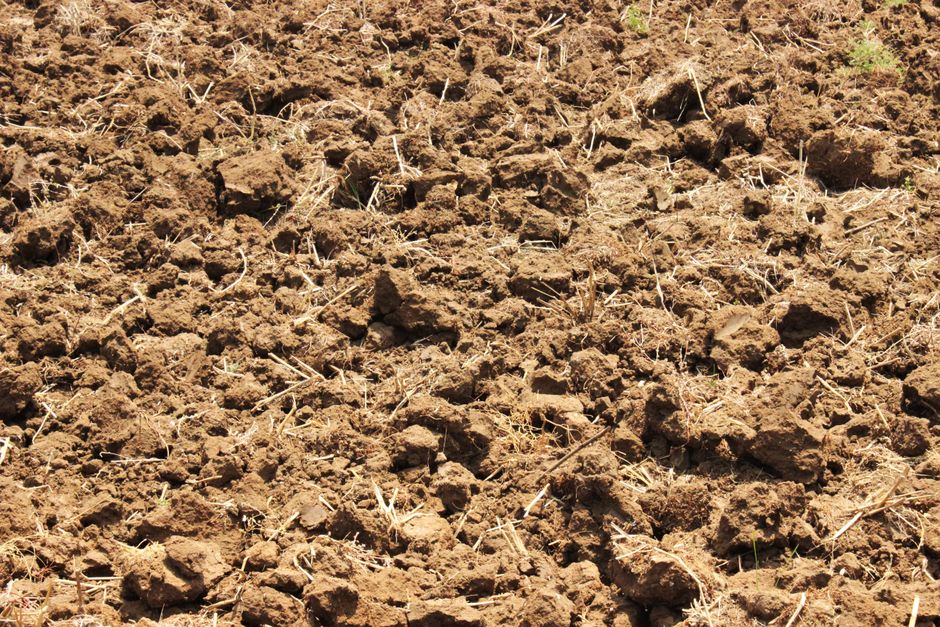
In parts of northern Nigeria, strong daytime heat and cooler nights help rocks expand and contract. Repeated changes can weaken the rocks over time.
How soil builds up
As rock particles collect, small plants begin to grow where conditions are suitable. Dead leaves, roots and animals are broken down by organisms such as bacteria and fungi. Some of this material becomes humus.
Humus is the dark organic matter formed by the decomposition of dead plant and animal materials.
In simple terms, humus is well-decayed material from living things. It mixes with mineral particles and helps soil hold water and nutrients. Earthworms and other soil animals help mix these materials.
Factors affecting soil formation
Parent material is the rock or other material from which soil develops. It affects the soil’s mineral content and texture. • Climate includes rainfall and temperature. Warm, wet conditions usually speed up chemical weathering. • Living organisms help break rocks, decay dead materials and mix soil. • Relief means the shape and slope of the land. Steep slopes often lose soil through erosion. • Time allows weathering and the build-up of organic matter to continue.
On a cocoa farm in Ondo State, fallen leaves decay and add organic matter to the soil. Rainwater also helps weather the parent material, while soil organisms mix the materials.
Remember the process
Rocks weather into smaller particles. • Dead plants and animals decay and add organic matter. • Mineral particles mix with organic matter, water and air. • Over time, soil develops and supports more plant growth.
Key points
- •Soil forms from weathered parent material mixed with organic matter.
- •Weathering may be physical, chemical or biological.
- •Humus is dark organic matter formed from decayed plant and animal materials.
- •Parent material, climate, living organisms, relief and time affect soil formation.
- •Weathering breaks rocks down, while erosion carries particles away.