
Fertilizers and Manures · 3 min read
Organic manures
Listen to this lesson
A calm voice reads the lesson aloud
Tap any word for its meaning, or to have that part explained further.
Organic manures
Farmers can use animal dung and dead plant materials to improve the soil. These materials supply nutrients that help crops grow.
Organic manures are fertilizers obtained from the remains of plants and animals.
This means that plant and animal wastes can feed the soil after they decay. Examples include rotted cow dung and compost used on maize and vegetable farms in Nigeria.
Types of organic manure
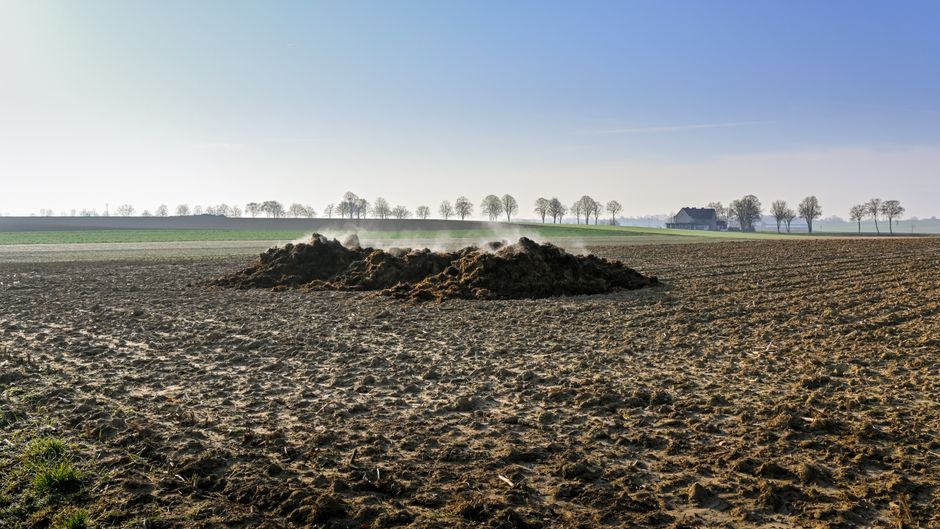
Farmyard manure comes from animal dung, urine and bedding materials such as straw. A cattle farmer in Kaduna can collect these materials and allow them to rot before use.
Compost manure is made by allowing plant materials and other suitable organic wastes to decay in a heap or pit. Dry leaves, grass cuttings and crop remains can be used.
Green manure is a green crop grown and buried in the soil to decay and improve soil fertility. Legumes such as cowpea and mucuna are commonly used.
Poultry manure comes mainly from poultry droppings, sometimes mixed with litter such as wood shavings. Farmers can use properly composted poultry manure on maize and vegetables.
Benefits of organic manures
They supply plant nutrients. Most nutrients become available gradually as the materials decay.
They add organic matter and help form humus, the dark, well-decayed material in soil. This improves soil structure and helps sandy soil hold more water.
They support useful soil organisms, such as earthworms and microbes, which help break down organic materials.
Limitations of organic manures
They are bulky, so large quantities may be needed. Carrying and spreading them can require much labour and money.
Their nutrient content varies, and nutrients may be released slowly. Fresh or poorly treated manure may contain weed seeds and disease-causing organisms.
Safe and proper use
Allow animal manure and compost materials to decay properly before applying them. Fresh manure can damage young plants.
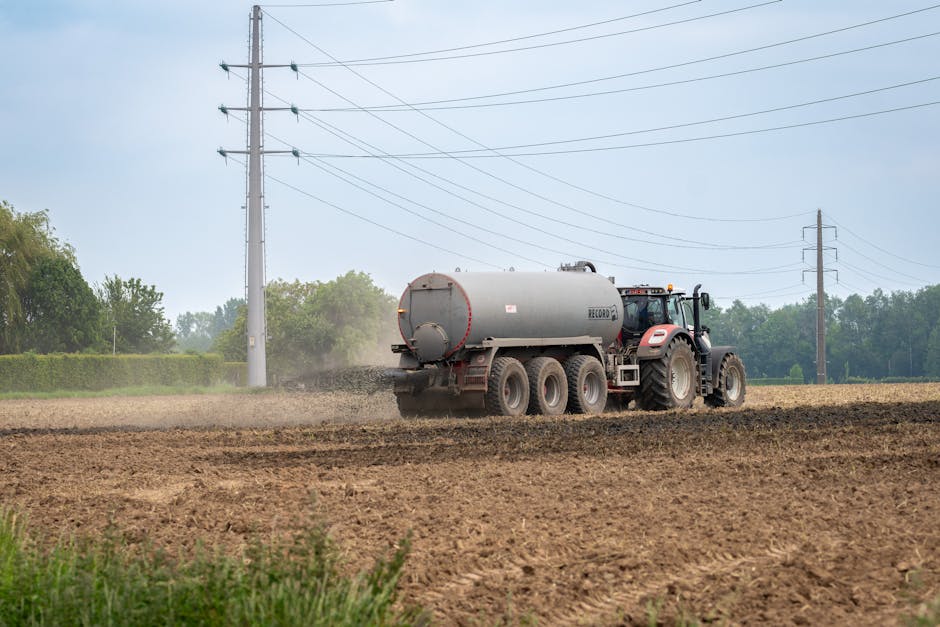
Spread well-rotted manure evenly and mix it into the soil before planting where suitable. Bury green manure early enough to allow it to decay before planting the next crop.
Avoid dumping manure near wells, streams or drainage channels. Rain can wash it into water and cause pollution.
Key points
- •Organic manures come from plant and animal remains.
- •Examples include farmyard manure, compost manure, green manure and poultry manure.
- •Organic manures supply nutrients, improve soil structure and help soil hold water.
- •They are bulky, have variable nutrient content and usually release nutrients gradually.
- •Animal manure should be properly treated before use and kept away from water sources.