
Land and Its Uses · 3 min read
Uses of land
Listen to this lesson
A calm voice reads the lesson aloud
Tap any word for its meaning, or to have that part explained further.
Uses of land
Think about a maize farm, a school and a road in your community. They all occupy land. People use land for farming and many other activities.
Land is the solid part of the earth’s surface.
Simply put, land is the ground on which we grow crops, rear animals and build houses. Its uses can be grouped into agricultural uses and non-agricultural uses.
Agricultural uses of land
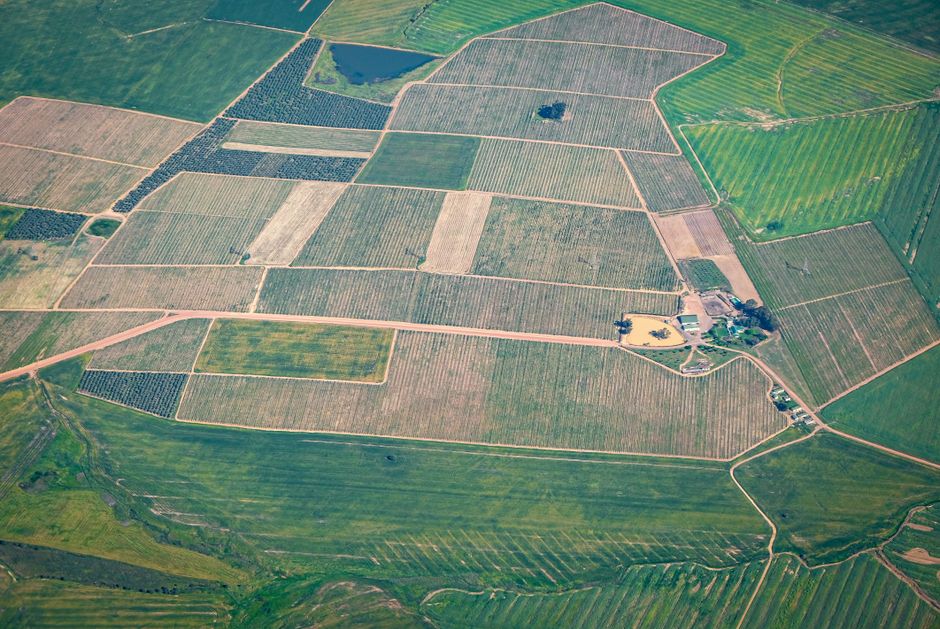
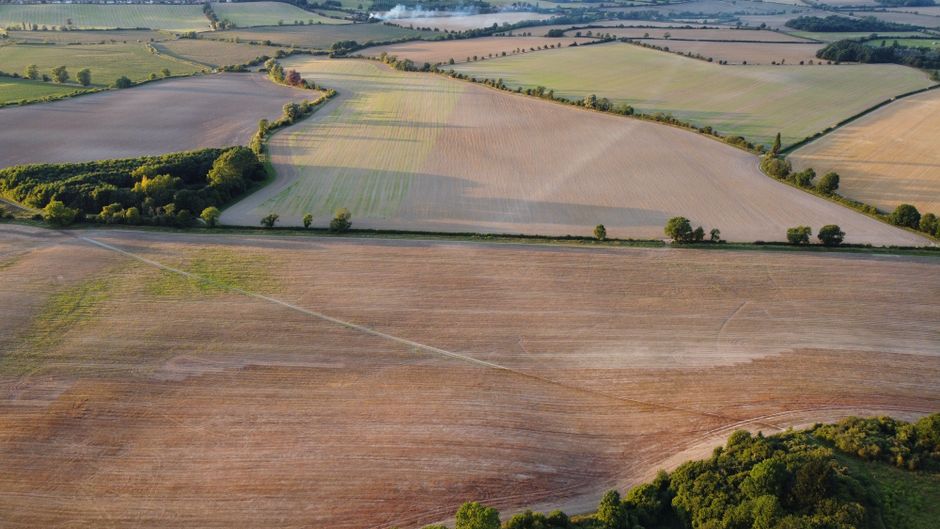
Crop production: Farmers use land to grow food crops and cash crops. Examples include yam in Benue, rice in Kebbi and cocoa in Ondo.
Livestock production: Land provides space for grazing animals and building animal houses. Examples include cattle grazing areas in Niger State and poultry farms in Ogun State.
Forestry: Land is used to grow and manage trees for timber, poles, fuelwood and other forest products. Examples include teak plantations in Nigeria.
Wildlife conservation: Land is set aside to protect wild animals and their habitats. Yankari Game Reserve in Bauchi State is an example. Such areas can also support tourism.
Fish farming: Farmers use land to construct fishponds and place fish tanks. Catfish farms in Oyo State are examples.
Non-agricultural uses of land
Residential use: Land is used for building houses where people live. Examples include housing estates in Abuja and Lagos.
Industrial and commercial uses: Factories, shops, markets and warehouses occupy land. Examples include cement factories in Ogun State and markets in Onitsha.
Transportation: Roads, railways, airports and motor parks are built on land. The Lagos–Ibadan Expressway is an example.
Mining and quarrying: Land is used to obtain minerals and rocks. Examples include tin mining in Plateau State and limestone quarrying in Ogun State.
Recreation: Land provides space for sports and relaxation. Examples include football fields, public parks and stadiums.
Public services: Land is used for schools, hospitals, places of worship and government offices.
Competition for land
When farmland is used for houses or roads, less land may remain for agriculture. Good land-use planning helps communities provide needed facilities while protecting suitable farmland.
Key points
- •Land has agricultural and non-agricultural uses.
- •Agricultural uses include crop production, livestock production, forestry, wildlife conservation and fish farming.
- •Non-agricultural uses include housing, industry, trade, transportation, mining and recreation.
- •Good land-use planning helps reduce competition between farming and other activities.