
Organization of Life · 2 min read
Introduction
Listen to this lesson
A calm voice reads the lesson aloud

Tap any word for its meaning, or to have that part explained further.
Organization of Life
Living things are not just scattered; they are built in an orderly way like a tall building.
Organization of Life is the arrangement of living things from the smallest parts to the most complex forms.
This means that every living thing follows a plan from simple pieces to big, complicated bodies.
Everything that has life is arranged in levels, and each level joins others to build a bigger system.
Biological Organization is the hierarchy of complex biological structures and systems that define life.
This shows that life moves step by step, from tiny bits you cannot see to the full body of a person or plant.
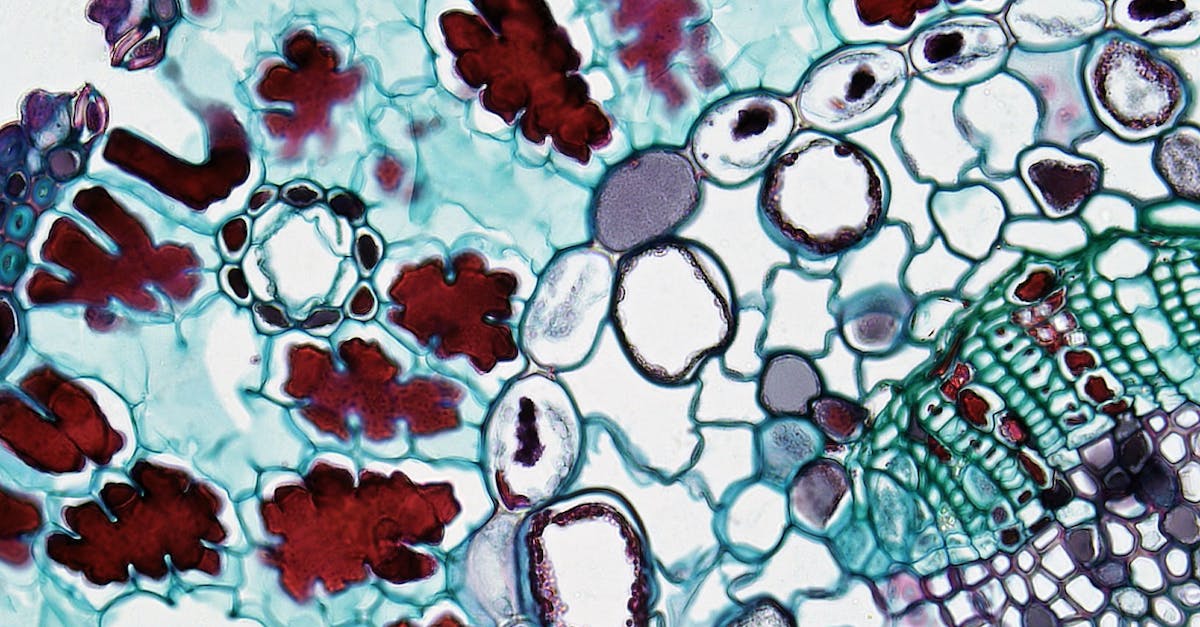
How Life is Formed
This topic shows how living things exist, starting from those with only one tiny room to those with many parts.
Levels of Organization are the different stages of complexity in the structure of living organisms.
It helps us understand how a single cell can work alone or how billions of cells work together in a human being.
Advanced living things have many parts and can do many different jobs to stay alive.
Multicellular Organisms are organisms that consist of more than one cell, in contrast to unicellular organisms.
These big organisms have special body parts that help them breathe, eat, and grow every day.
Key points
- •Living organisms exhibit a well-organized and structured nature.
- •The organization of life occurs in stages and levels, forming progressively complex systems.
- •The organization of life explains how living things exist, from single-celled to complex multicellular organisms.