
Biology of Heredity (Genetics) · 2 min read
Introduction to Genetics
Listen to this lesson
A calm voice reads the lesson aloud
Tap any word for its meaning, or to have that part explained further.
Genetics is the study of how children look or act like their parents and why they are different from their siblings.
Genetics is the branch of biology that deals with the study of heredity and variation in living organisms.
It is the branch of science that looks at how we get our features from our family and how we are unique.
This subject shows how your father or mother passes things like height or skin color to you through small units called genes.
A scientist named William Bateson first used the word genetics in 1905, but a monk named Gregor Mendel is called the Father of Genetics because of his work with beans (pea plants).
Key Terms in Genetics
A gene is like a tiny instruction book inside you that tells your body how to grow and work.
Gene: A unit of heredity that carries information from one generation to the next.
It is the basic thing that carries traits from parents to children.
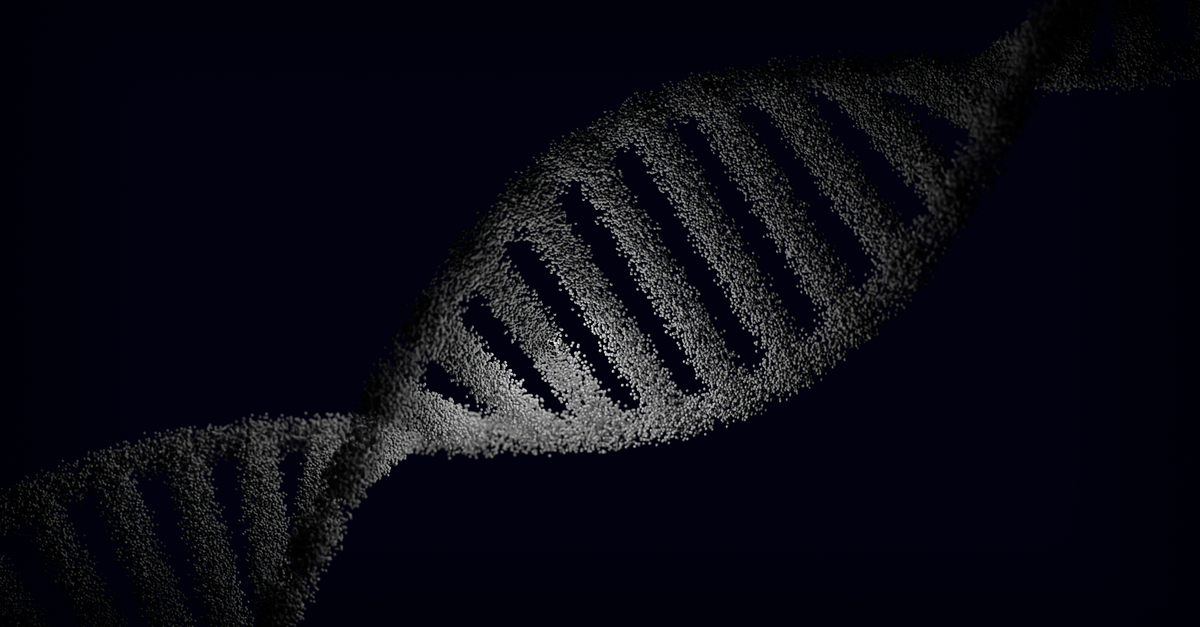
These genes stay on special structures called chromosomes and they are made of a chemical called DNA.
An allele is just a different choice or version of the same gene.
Allele: Different versions of a gene.
Think of it like a gene for hair: one allele might say curly hair while another says straight hair.
For example, a gene for flower color may have alleles for red or white color.
A dominant allele is a strong version of a gene that always shows its face.
Dominant Allele: An allele that expresses its trait even when paired with a different allele.
If this strong gene is there, you will see it; we use big letters like A to show it.
Represented by an uppercase letter (e.g., A).
A recessive allele is a weak version of a gene that hides when a strong one is around.
Recessive Allele: An allele that is masked by a dominant allele and only expresses its trait when paired with another recessive allele.
It only shows if there is no dominant gene to cover it; we use small letters like a to show it.
Represented by a lowercase letter (e.g., a).
Genotype is the hidden code of genes you have inside your body that we cannot see with our eyes.
Genotype: The genetic makeup of an organism; the combination of alleles for a particular gene (e.g., AA, Aa, or aa).
It is the set of letters like AA or Aa that show the genes you carry.
Phenotype is what we can actually see on your body, like your height or eye color.
Phenotype: The observable physical or physiological traits of an organism, which result from its genotype (e.g., blue eyes, tall height).
It is the physical result of the genes you have.
Homozygous means you have two of the exact same genes for one trait.
Homozygous: Having two identical alleles for a gene (e.g., AA or aa).
It is when the two letters are the same, like two big ones or two small ones.
Heterozygous means you have two different types of genes for the same trait.
Heterozygous: Having two different alleles for a gene (e.g., Aa).
It is when the letters are mixed, like one big A and one small a.
A chromosome is like a long thread that holds all your genetic instructions.
Chromosome: A thread-like structure made of DNA that contains genes.
It is the long string that carries the genes inside the cell.
In humans, we have 46 of these threads; we get 23 from our father and 23 from our mother.
DNA is the actual material or chemical that stores all the information about you.
DNA (Deoxyribonucleic Acid): The molecule that carries genetic information in cells.
It is the special chemical that tells every cell in your body what to do.
Key points
- •Genetics is the branch of biology focused on heredity and variation in living organisms, explaining how traits are passed from parents to offspring through genes.
- •Gregor Mendel is recognized as the 'Father of Genetics' for his foundational work, while William Bateson first used the term 'genetics' in 1905.
- •A gene is a unit of heredity on a chromosome, made of DNA, while an allele is a different version of a gene.
- •Dominant alleles express their trait even when paired with a different allele, whereas recessive alleles are masked and only express when paired with another recessive allele.
- •Genotype refers to an organism's genetic makeup (e.g., AA, Aa), and phenotype describes its observable physical traits (e.g., blue eyes, tall height).