
Stock Exchange · 5 min read
Meaning and functions of the stock exchange
Listen to this lesson
A calm voice reads the lesson aloud
Tap any word for its meaning, or to have that part explained further.
Hello, future entrepreneurs and business leaders! Today, we're going to learn about something very important in the world of money and business: the Stock Exchange. Don't worry, it's not as complex as it sounds!
Imagine a special marketplace where people buy and sell ownership parts of big companies, just like you might buy or sell goods in a regular market like Balogun Market or Onitsha Main Market. That's a simple way to think about the Stock Exchange.
Let's look at the proper meaning of a Stock Exchange.
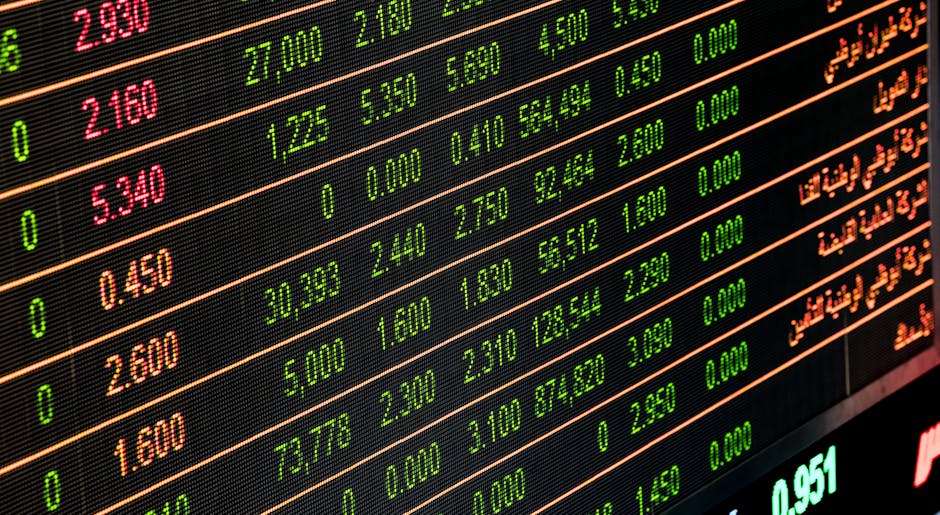
A Stock Exchange is an organized market where various stocks, shares, bonds, and other securities are traded.
In simpler terms, it's a formal and regulated place (like the Nigerian Exchange Group, or NGX) where different types of financial assets like shares (small pieces of ownership in a company) and bonds (loans to a company or government) are bought and sold.
It helps companies raise money for their businesses and allows people to invest their savings, hoping to make more money.
Now, let's talk about what the Stock Exchange *does*. These are its functions.
Mobilization of Savings for Economic Development: This means the Stock Exchange helps to gather small amounts of money (savings) from many people and directs them to businesses that need money to grow. When businesses grow, they create jobs and wealth for the country.

Facilitating Capital Formation: This is very similar to the point above. The Stock Exchange helps companies get the long-term money (capital) they need to buy equipment, expand factories, and develop new products. Think of a company like Dangote Cement needing money to build a new plant; they can get it through the stock exchange.
Providing Liquidity for Investments: Liquidity means how easily an asset can be converted into cash. If you buy shares in a company today, you can sell them on the stock exchange and get your money back fairly quickly when you need it. It makes it easy for investors to buy and sell without much delay.
Price Determination: The stock exchange helps to show the true value (price) of shares and other securities based on demand and supply. If many people want to buy a company's shares, the price goes up; if many people want to sell, the price goes down. This helps investors know the fair value of their holdings.
Encouraging Good Corporate Governance: Companies whose shares are traded on the stock exchange usually have to follow strict rules and be transparent about their operations and finances. This encourages them to be well-managed and accountable to their shareholders, like Zenith Bank or GTCO.
Providing a Medium for Government to Raise Funds: Just like companies, governments can also raise money through the stock exchange by issuing bonds. The Nigerian government often issues FGN Bonds to fund projects like road construction or electricity upgrades.
Promoting the Growth of the Economy: By helping companies raise money, grow, and create jobs, and by providing a way for people to invest, the stock exchange plays a big role in making the whole country's economy stronger.
Serving as an Indicator of Economic Health: The overall performance of the stock market can tell us a lot about the health of a country's economy. If share prices are generally going up, it often means businesses are doing well and the economy is strong. If prices are falling, it might signal trouble.
So, you see, the Stock Exchange is a vital part of how money moves around, businesses grow, and people invest their savings in Nigeria and around the world. Keep studying hard, and you'll understand more of these exciting concepts!
Remember, understanding these terms is key to acing your exams and understanding the real world of finance.
Key points
- •The Stock Exchange is an organized market for trading stocks, shares, bonds, and other securities.
- •It helps companies raise long-term capital for growth and development.
- •It provides a way for investors to buy and sell their investments easily (liquidity).
- •The Stock Exchange helps determine the fair price of securities based on market forces.
- •It encourages good management practices in companies and helps governments raise funds for projects.