
Home Trade: Retail · 5 min read
Meaning and functions of the retailer
Listen to this lesson
A calm voice reads the lesson aloud

Tap any word for its meaning, or to have that part explained further.
Hello students! Today, we will learn about Home Trade, specifically focusing on Retail Trade and the Retailer.
Think about your local market or the shop where your mum buys foodstuff. That's retail!
Home Trade means buying and selling goods within Nigeria. It's like 'trade at home'.
Retail Trade is a part of Home Trade. It's about selling goods directly to the final user.
Meaning of Retail Trade:
Retail trade refers to the sale of goods in small quantities to the final consumer.
This means the retailer buys goods from a wholesaler or producer and sells them to you or your family for your own use, not for resale.
For example, when you go to Shoprite or your local 'mama-put' to buy a soft drink, that's retail trade.
The person or business doing this selling is called a Retailer.
Meaning of a Retailer:
A retailer is an intermediary in the channel of distribution who buys goods in large quantities from producers or wholesalers and sells them in small quantities to the final consumers.
Imagine a wholesaler selling 100 bags of rice. A retailer might buy 5 bags and then sell them to different customers, maybe 1 'derica' at a time.
Retailers are very important in making sure goods reach everyone who needs them.
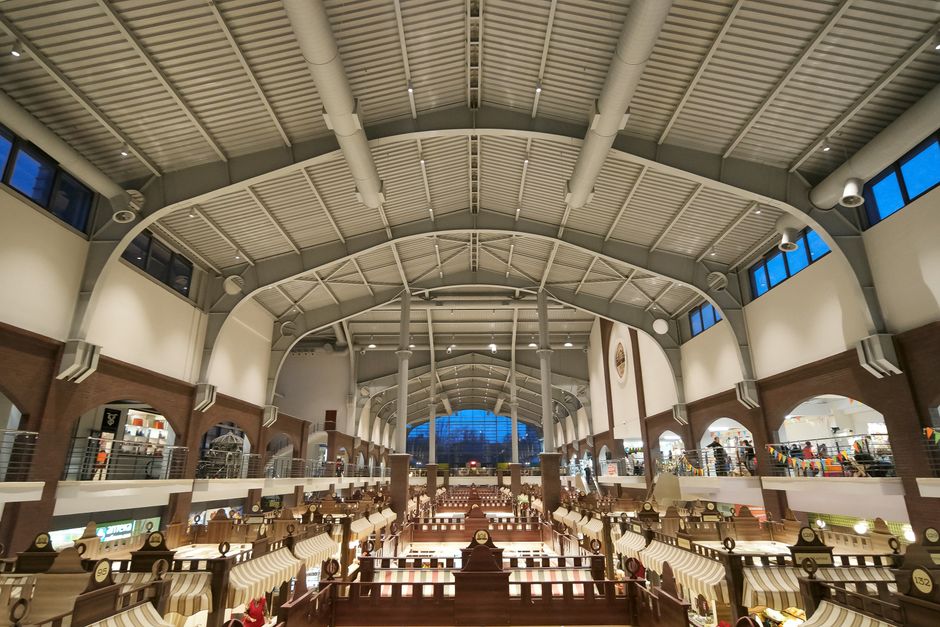
Functions of the Retailer:
Retailers perform many important roles in getting products from manufacturers to you. Let's look at some:
Breaking Bulk: Retailers buy goods in large quantities (bulk) from wholesalers or producers and then sell them in smaller, more manageable quantities to consumers. This is very helpful for families who only need a few items.
Offering Variety/Assortment: A retailer usually stocks many different types of products from various manufacturers. You can find rice, beans, Maggi, soap, and even airtime in one small shop. This gives you choices!
Providing Information to Consumers: Retailers often tell customers about new products, how to use them, or special offers. Think of a chemist explaining how to take medicine.
Providing Information to Wholesalers/Producers: Retailers are close to customers, so they know what people want, what sells well, and what is not popular. They share this feedback with wholesalers and producers, helping them make better products.
Granting Credit Facilities: Sometimes, especially in small neighbourhood shops, retailers allow trusted customers to 'buy now, pay later'. This is called offering credit. For example, 'Tunde, buy bread now, pay me when your father comes back'.
Offering After-Sales Services: For some products like electronics, retailers might offer installation, repairs, or warranty services after you've bought the item. This ensures customer satisfaction.
Bearing Risks: Retailers face risks like goods getting damaged, stolen, or not selling (becoming 'dead stock'). They also bear the risk of price changes.
Storage of Goods: Retailers store goods in their shops or warehouses until customers buy them. This saves you from having to buy and store large quantities yourself.
So, retailers are not just sellers; they are a vital link in the chain, making life easier for both producers and consumers.
They help to bridge the gap between where goods are made and where they are needed.
Remember these functions, as they are key to understanding the role of retailers in our economy.
Key points
- •Home Trade involves buying and selling goods within a country (e.g., Nigeria).
- •Retail Trade is the sale of goods in small quantities directly to the final consumer.
- •A Retailer is an intermediary who buys in bulk from producers/wholesalers and sells in small units to consumers.
- •Key functions of retailers include breaking bulk, offering variety, providing information, bearing risks, and storing goods.
- •Retailers connect producers to consumers, making goods easily accessible and providing convenience.