
Home Trade: Wholesale · 5 min read
Functions of the wholesaler
Listen to this lesson
A calm voice reads the lesson aloud

Tap any word for its meaning, or to have that part explained further.
Hello my dear students! Today, we are going to learn about one very important person in the business world called the wholesaler. Remember when we talked about how goods move from the factory to you, the final customer? The wholesaler is a key player in that journey.
Imagine you want to buy a carton of Indomie noodles or a whole sack of rice. You probably wouldn't go straight to the factory, right? That's where the wholesaler comes in.
A wholesaler is a middleman who buys goods in large quantities from manufacturers or producers and sells them in smaller quantities to retailers.
Simply put, the wholesaler acts like a 'big brother' who buys many items from the factory and then sells them in smaller batches to the 'little brothers' (the retailers) who then sell to you.
Let's look at the important jobs (functions) this wholesaler does. They help both the manufacturers and the retailers, making sure goods flow smoothly.
Breaking Bulk: This is one of the wholesaler's main jobs. Think of a factory producing thousands of cartons of Golden Penny spaghetti. It's too much for one small shop to buy all at once.
The exact definition is: Breaking bulk refers to the activity of dividing large quantities of goods received from manufacturers into smaller, more manageable units for sale to retailers.
So, the wholesaler buys a huge truckload of spaghetti, opens it up, and sells maybe 10 cartons to one shop, 5 cartons to another, and so on. This makes it easy for retailers to stock their shops without having to buy too much at once.
Warehousing/Storage: Manufacturers cannot keep all their products in their factories forever. They need space.
The exact definition is: Warehousing involves storing goods in large quantities until they are needed by retailers or consumers.
The wholesaler has big storage facilities, like a large warehouse in Onitsha or Lagos. They buy the goods from the manufacturer and keep them safe in their warehouse until retailers are ready to buy. This helps the manufacturer clear their factory space and ensures goods are always available.
Financing: The wholesaler helps both manufacturers and retailers with money matters.
The exact definition is: Financing refers to the provision of credit facilities by the wholesaler to retailers, and by paying cash to manufacturers, thereby easing their cash flow.
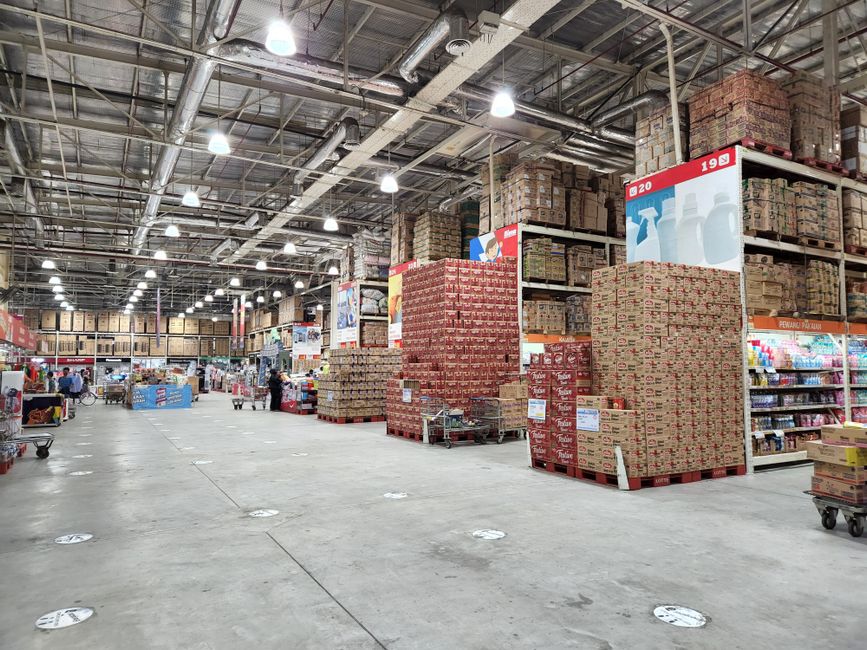
Sometimes, wholesalers pay manufacturers quickly, giving them money to produce more goods. They also often allow retailers to buy goods on credit, meaning retailers can take goods and pay later. This is very helpful for small businesses in Nigeria like market stall owners who may not have all the cash upfront.
Risk-Bearing: Business always involves risks. Products can get damaged, stolen, or even become outdated.
The exact definition is: Risk-bearing is the function of undertaking the risks associated with the ownership of goods, such as spoilage, obsolescence, damage, or fall in price.
When the wholesaler buys goods, they take ownership. This means if the goods get damaged in their warehouse (e.g., a flood in their storage facility in Aba) or if their price drops, the wholesaler bears that loss, not the manufacturer or the retailer. They act as a 'shock absorber' in the supply chain.
Transportation/Delivery: How do goods get from the factory to the shops?
The exact definition is: Transportation involves the movement of goods from the producer's location to the wholesaler's warehouse and then to the retailer's premises.
Wholesalers often have their own vehicles, like trucks or vans. They collect goods from the manufacturer and deliver them to retailers' shops, even those in remote areas like a small town in Ekiti State. This saves retailers the cost and trouble of going to the factory themselves.
Market Information: Wholesalers are close to both manufacturers and retailers, so they gather a lot of useful information.
The exact definition is: Market information refers to the collection and dissemination of valuable data regarding market trends, consumer preferences, and competitor activities to both manufacturers and retailers.
Because they interact with many retailers, they know what customers like, what they don't like, and what new products are trending (e.g., 'customers in Kaduna are asking for more herbal soap'). They share this feedback with manufacturers, helping them improve their products, and also inform retailers about new products or offers.
Advisory Services: Building on market information, wholesalers also offer advice.
The exact definition is: Advisory services involve offering guidance and recommendations to retailers on product display, sales techniques, and inventory management.
Wholesalers, especially those dealing with many retailers, can advise retailers on how to arrange their shop to attract customers, how to sell certain products, or even how much stock to keep. This helps small retailers in places like Computer Village, Ikeja, to manage their businesses better.
These functions show how important wholesalers are in ensuring that goods move efficiently from the producers to the final consumers, making life easier for everyone in the trade chain.
Key points
- •A wholesaler buys in large quantities from manufacturers and sells in smaller quantities to retailers.
- •Key functions include breaking bulk, warehousing, financing, and risk-bearing.
- •Wholesalers provide transportation, market information, and advisory services to both producers and retailers.
- •They act as a crucial link, simplifying distribution for manufacturers and making goods accessible for retailers.
- •Wholesalers help ease cash flow for manufacturers and offer credit to retailers.