
Foreign Trade · 5 min read
Meaning, reasons and problems of foreign trade
Listen to this lesson
A calm voice reads the lesson aloud
Tap any word for its meaning, or to have that part explained further.
My dear students, welcome to another interesting Commerce class! Today, we will be talking about something very important for Nigeria and other countries: Foreign Trade.
Think about it: Nigeria uses phones from China, drives cars from Japan, and buys medicines from India. At the same time, we sell our crude oil to many countries and export agricultural products like cocoa and palm oil.
This buying and selling of goods and services between different countries is what we call foreign trade.
Let’s look at the Meaning of Foreign Trade.
Simply put, it means when one country buys things from another country, or sells things to another country. It is trade that goes beyond the borders of a single nation.
For example, when a Nigerian business imports clothes from Turkey, that is foreign trade. When Nigeria sells crude oil to the USA, that is also foreign trade.
Now, why do countries like Nigeria engage in this kind of trade? What are the Reasons for Foreign Trade?
Uneven Distribution of Natural Resources: No country has all the natural resources it needs. For instance, Nigeria has crude oil, but we don't produce enough cars. So, we sell oil and use the money to buy cars from Japan or Germany. This is a big reason.
Difference in Climatic Conditions: Some countries are good for growing certain crops because of their weather. Nigeria can grow cocoa and palm oil easily, but we can't grow apples or grapes commercially. So, we trade what we can grow for what others can grow.
Differences in Technology and Skills: Some countries are more advanced in making certain things. For example, China is very good at making electronics, while Germany is known for its engineering. Nigeria might not have the same level of technology in all areas, so we import those goods.
Specialisation: Countries focus on producing what they are best at. This is called specialisation. When a country specialises, it produces more than it needs and can sell the extra to other countries. It also buys things it is not good at producing.
To Obtain Goods Not Produced Locally: Sometimes, a country simply cannot produce a certain good or service at all. Nigeria cannot produce all the high-tech machinery we need, so we must import them.
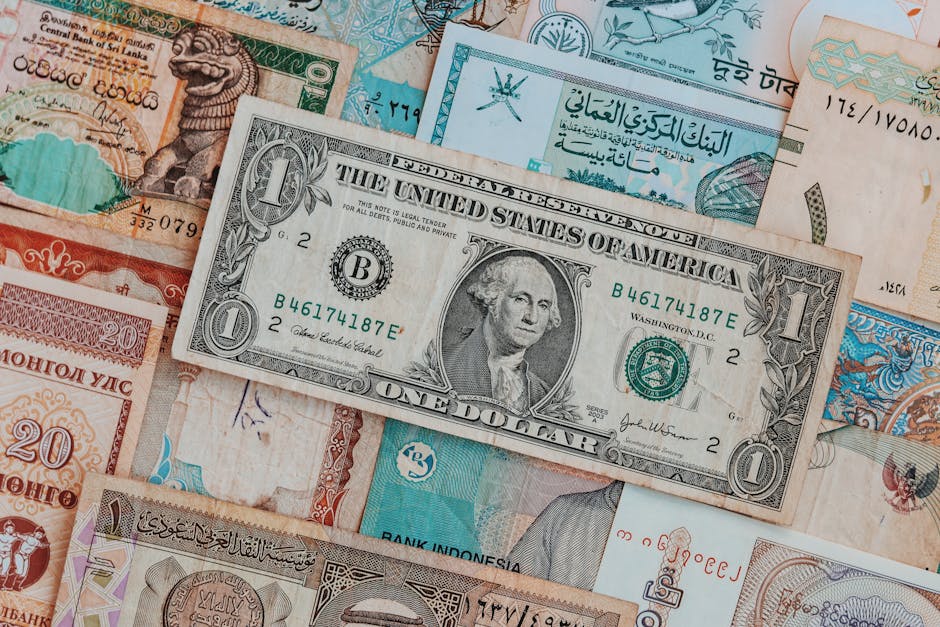
To Earn Foreign Exchange: When Nigeria sells crude oil to other countries, we get paid in foreign currencies like US Dollars or British Pounds. This foreign money (foreign exchange) is important for paying for things we import and for our economy.
To Expand Markets for Local Products: If Nigerian companies only sell their products within Nigeria, their market is limited. By selling to other countries, they can reach more customers and grow their businesses.
Every good thing sometimes comes with its own challenges. Foreign trade also has Problems or Disadvantages.
Over-reliance on Other Countries: If Nigeria depends too much on other countries for essential goods like food or medicine, we can be in trouble if those countries stop selling to us or if prices go up suddenly.
Dumping: This happens when a foreign country sells goods in Nigeria at a price lower than what they sell it for in their own country, and sometimes even below the cost of production. This can kill local Nigerian industries because their products can't compete.
Balance of Payment Problems: If Nigeria imports much more than it exports, it means we are spending more foreign money than we are earning. This can lead to a balance of payment deficit, which is bad for our economy and can weaken our Naira.
Competition for Local Industries: When foreign goods enter Nigeria, they compete with products made by Nigerian businesses. Sometimes, these foreign goods are cheaper or of better quality, making it hard for local companies to survive.
Cultural Erosion: Importing a lot of foreign goods and services, especially entertainment, can sometimes lead to a loss of local culture as people adopt foreign lifestyles and preferences.
Political Interference: Countries can use trade as a political weapon. For example, a country might refuse to sell essential goods to Nigeria if they don't agree with our government's policies, leading to problems for us.
So, while foreign trade is very beneficial, it also has these challenges that countries must manage carefully.
Keep studying hard, my brilliant students!
Key points
- •Foreign trade is the exchange of goods and services between different countries.
- •Countries engage in foreign trade due to uneven resource distribution, specialisation, and to obtain goods not produced locally.
- •Foreign trade helps countries earn foreign exchange and expand markets for their products.
- •Problems include over-reliance on other countries, dumping, and balance of payment deficits.
- •Foreign trade can lead to competition for local industries and potential cultural erosion.