Business Organisations I · 5 min read
Sole proprietorship
Listen to this lesson
A calm voice reads the lesson aloud
Tap any word for its meaning, or to have that part explained further.
Kedu ronu? Welcome to our Commerce class today!
Today, we are going to learn about one of the most common types of business organisations you see all around you: Sole Proprietorship.
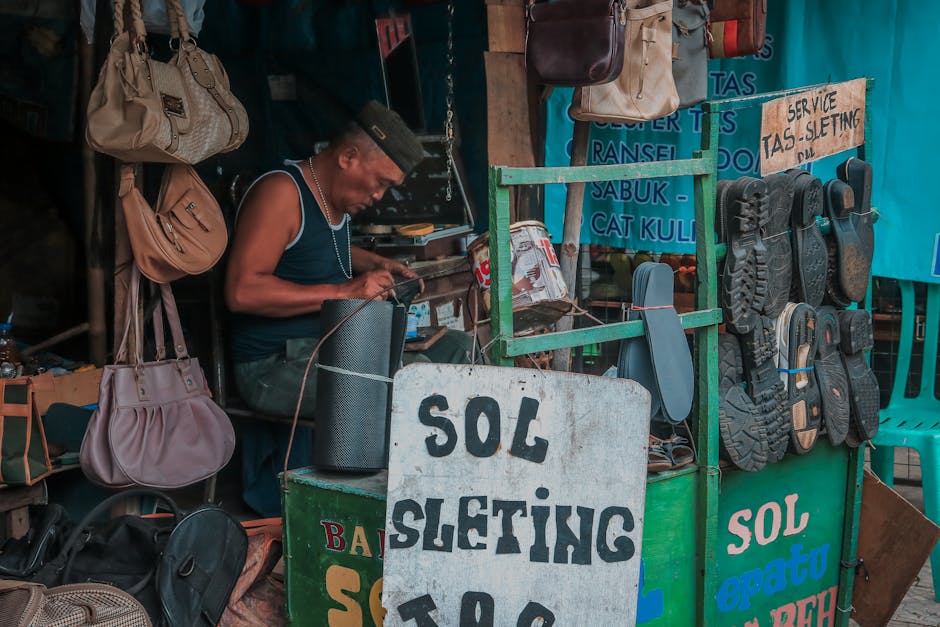
Imagine your mum's small shop in the market, or your dad's barbering salon, or even the tailor down the street. These are often examples of sole proprietorships.
A sole proprietorship is a business owned and controlled by one person.
This means that one person starts the business, puts in their own money (or borrows some), runs it, and takes all the profits. They also take all the risks.
The person who owns this type of business is called a sole proprietor or a sole trader.
Think of Mallam Musa who sells recharge cards and drinks near your school. He owns the business, he manages it, and he gets all the money he makes. He is a sole proprietor.
Let's look at some important features of this type of business.
1. Owned by one person: This is the most basic thing to remember. Only one person is the owner. They might have employees, but they are the only owner.
2. Easy to start: Unlike big companies, starting a sole proprietorship is usually very simple. You don't need a lot of complicated paperwork.
You just need to decide what you want to sell or do, maybe get a small shop or space, and you can start.
For example, a suya seller just needs to get their grill, meat, and spices and they can start selling.
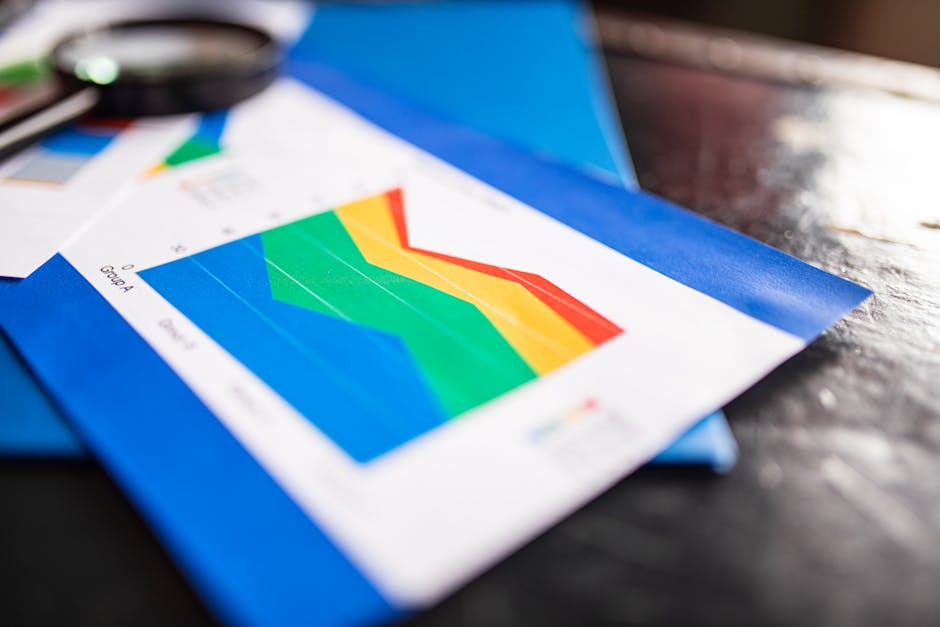
3. Owner provides capital: The owner uses their own savings or borrows money from family, friends, or a small bank loan (like from LAPO Microfinance Bank) to start the business.
4. Owner manages the business: The sole proprietor is usually the boss and manages everything. They make all the decisions, from buying goods to setting prices and serving customers.
5. Owner takes all profits: If the business does well, all the money left after paying expenses goes to the owner.
6. Unlimited Liability: This is a very important point! It means the owner is personally responsible for all the debts of the business.
Let's say Mrs. Ekaete's food business takes a loan from First Bank and cannot pay it back. The bank can sell her personal belongings, like her car or even her house, to get their money back.
This is different from big companies where the owners' personal things are separate from the business debts. So, for a sole proprietor, there is no difference between them and their business legally.
7. No legal distinction between owner and business: The law sees the owner and the business as one and the same person. The business does not have a separate legal identity.
This is why the owner's personal properties can be used to pay business debts, as explained with unlimited liability.
8. Lack of Continuity: If the owner dies, becomes very sick, or decides to stop the business, the business usually comes to an end. It doesn't continue on its own.
So, if Mama Bimpe, the tailor, falls sick for a very long time, her shop might have to close down.
Sole proprietorships are common because they are easy to start and manage, but they also have challenges like unlimited liability and lack of continuity.
Understanding these features is key for your exams.
Keep practicing, and don't hesitate to ask questions!
Key points
- •A sole proprietorship is a business owned and controlled by one person.
- •The owner is called a sole proprietor or sole trader.
- •Key features include being easy to start, owner provides capital, and owner manages the business.
- •A major disadvantage is unlimited liability, meaning the owner is personally responsible for all business debts.
- •There is no legal distinction between the owner and the business, and the business lacks continuity.