
Political Parties and Pressure Groups · 5 min read
Political parties: meaning and functions
Listen to this lesson
A calm voice reads the lesson aloud

Tap any word for its meaning, or to have that part explained further.
My dear students, welcome to another exciting lesson! Today, we are going to learn about something very important in how our country, Nigeria, is run: Political Parties and Pressure Groups.
For this lesson, we will focus on Political Parties: what they are and what they do. Think about all the different party symbols you see during elections – the broom, the umbrella, the cock, the tractor. Those represent political parties!
So, what exactly is a Political Party?
A political party is an organized group of people who share similar political ideologies, aims, and objectives, seeking to gain and maintain political power through constitutional means.
Let's break that down into everyday language. Imagine a group of friends who all believe the same things about how to make their school better – maybe they all want better sports facilities or more delicious food in the cafeteria. They team up, agree on their plans, and try to convince other students to vote for them to be in the Students’ Representative Council. That's like a political party!
In Nigeria, we have many political parties like the All Progressives Congress (APC), the Peoples Democratic Party (PDP), Labour Party (LP), and others.
These parties are 'organized' – they have leaders, offices, and rules. They 'share similar political ideologies, aims, and objectives' – meaning they have common ideas and goals for the country, like improving education, building roads, or creating jobs.
Their main aim is to 'gain and maintain political power' – they want to win elections so their members can become governors, senators, president, or local government chairmen. They do this 'through constitutional means' – meaning they follow the rules and laws of our country, especially the Nigerian Constitution.
Now, let’s look at the Functions of Political Parties. What do these parties actually do for us and for Nigeria?
Aggregating and articulating interests:
This simply means that political parties gather all the different hopes, needs, and demands of various groups of people in the country (like farmers, traders, students, teachers) and combine them into a clear set of policies or plans. They speak for these different interests. For example, the PDP might say they want to improve agriculture, while the APC focuses on infrastructure.
Political Socialization and Education:
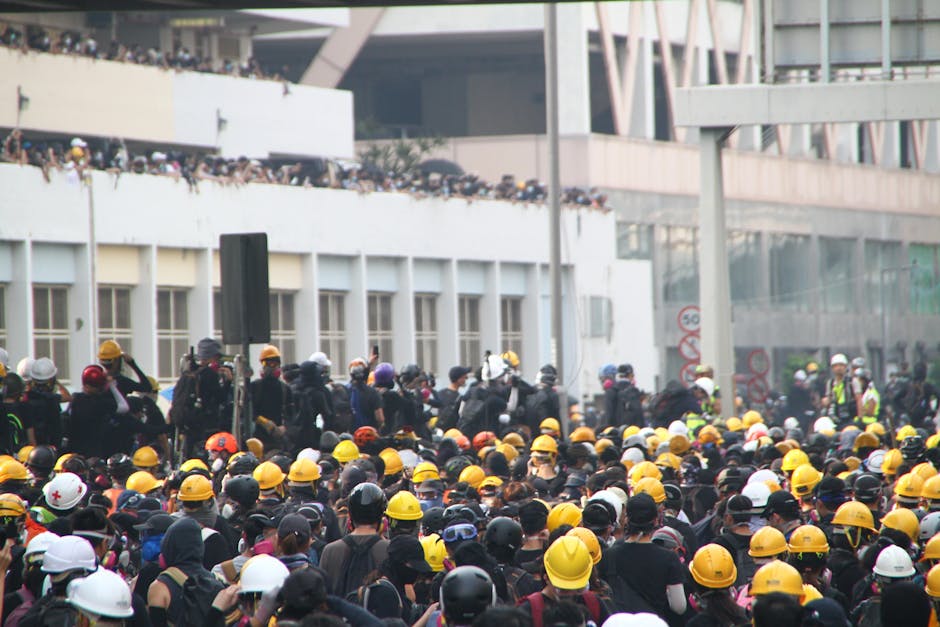
Political parties teach people about politics. They inform citizens about government policies, their own party's plans, and how to participate in elections. When you see a party rally or hear their messages on TV or radio, they are trying to educate you and make you believe in their ideas.
Mobilization of Voters:
This is very important during elections! Parties work hard to encourage people to register to vote and to actually go out and vote on election day. They use campaigns, rallies, and volunteers to get their supporters to the polling units. Think of how many people APC or PDP can bring out for a campaign rally in Lagos or Kano.
Contesting Elections and Forming Government:
The primary function of a political party is to put forward candidates to contest elections at all levels (local, state, federal). If their candidates win, they form the government. For instance, after the 2023 elections, the APC formed the government at the federal level because their presidential candidate, Bola Ahmed Tinubu, won.
Recruitment and Training of Political Leaders:
Political parties are like training grounds for future leaders. They identify talented individuals within their ranks, give them responsibilities, and prepare them for public office. Many of our current leaders started their political journey within a party, learning the ropes.
Providing an avenue for peaceful change of government:
In a democracy like Nigeria, political parties offer a way for power to change hands without fighting or violence. If people are not happy with the party in power, they can vote for another party in the next election. This ensures that change happens peacefully, according to the law.
So, political parties are not just about winning elections; they play many crucial roles in making our democracy work. They connect the people to the government and help shape our nation's future.
I hope this explanation has made the meaning and functions of political parties clearer to you. Keep studying hard, my brilliant students!
Next time, we will look into Pressure Groups and how they differ from political parties.
Key points
- •Political parties are organized groups with shared ideologies seeking power constitutionally.
- •They aggregate interests, bringing diverse needs into policy.
- •Parties educate citizens and mobilize voters for elections.
- •They contest elections to form government and recruit future leaders.
- •Political parties enable peaceful change of government in a democracy.