
Oxidation and Reduction · 8 min read
Oxidation and reduction defined
Listen to this lesson
A calm voice reads the lesson aloud
Tap any word for its meaning, or to have that part explained further.
Introduction to Redox
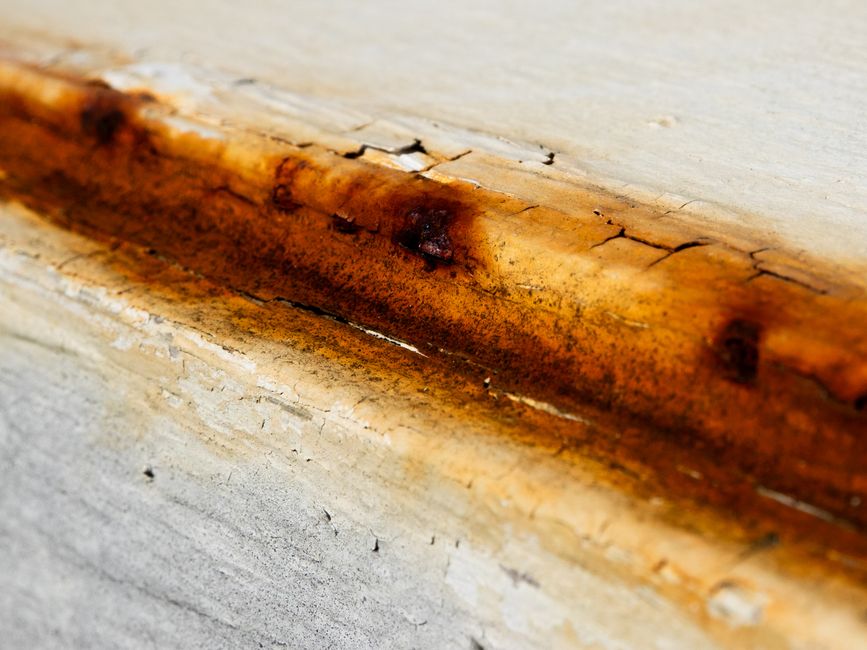
In your daily life, you see things changing. When your iron gate starts to rust or when you use a torch battery to get light, a chemical process is happening. This process is called a Redox reaction. The word Redox comes from two words: Reduction and Oxidation.
Oxidation and reduction always happen together. You cannot have one without the other, just like you cannot buy something in the market without someone else selling it to you. Let us look at how we define these terms in four simple ways.
First way: Gain or loss of Oxygen
In the past, scientists thought oxidation only had to do with oxygen. Think of how a piece of charcoal burns in the air to form carbon(IV) oxide. The charcoal has gained oxygen.
Simply put, if a substance picks up oxygen during a reaction, it has been oxidized.
If you take away oxygen from a chemical like Lead(II) oxide to turn it back to lead metal, you have reduced it.
Second way: Gain or loss of Hydrogen
This is the opposite of the oxygen rule. If a substance loses hydrogen, we say it is oxidized. If it gains hydrogen, we say it is reduced. Think of how hydrogen is added to vegetable oil to make margarine.
Third way: The Electron Transfer Method

This is the most important definition for your JAMB and WAEC exams. It deals with the movement of electrons. Think of a rich man giving money to a poor man. The man giving (losing) is doing oxidation, and the man receiving (gaining) is doing reduction.
You can remember this using the word OIL RIG: Oxidation Is Loss, Reduction Is Gain (of electrons).
Fourth way: Oxidation Number
We also look at the charge or oxidation state of the element. If the number goes up (like from 0 to +2), it is oxidation. If it goes down (like from +3 to 0), it is reduction.
Worked Example
Consider the reaction: Zn + Cu2+ -> Zn2+ + Cu. Let us identify what happened to Zinc.
1. Zinc (Zn) started with a charge of 0.
2. After the reaction, Zinc became Zn2+.
3. This means Zinc lost 2 electrons to become positive.
4. According to OIL RIG, loss of electrons is oxidation. Therefore, Zinc was oxidized.
Key points
- •Oxidation is the gain of oxygen or loss of hydrogen.
- •Reduction is the loss of oxygen or gain of hydrogen.
- •OIL RIG: Oxidation Is Loss, Reduction Is Gain of electrons.
- •Oxidation involves an increase in oxidation number.
- •Reduction involves a decrease in oxidation number.